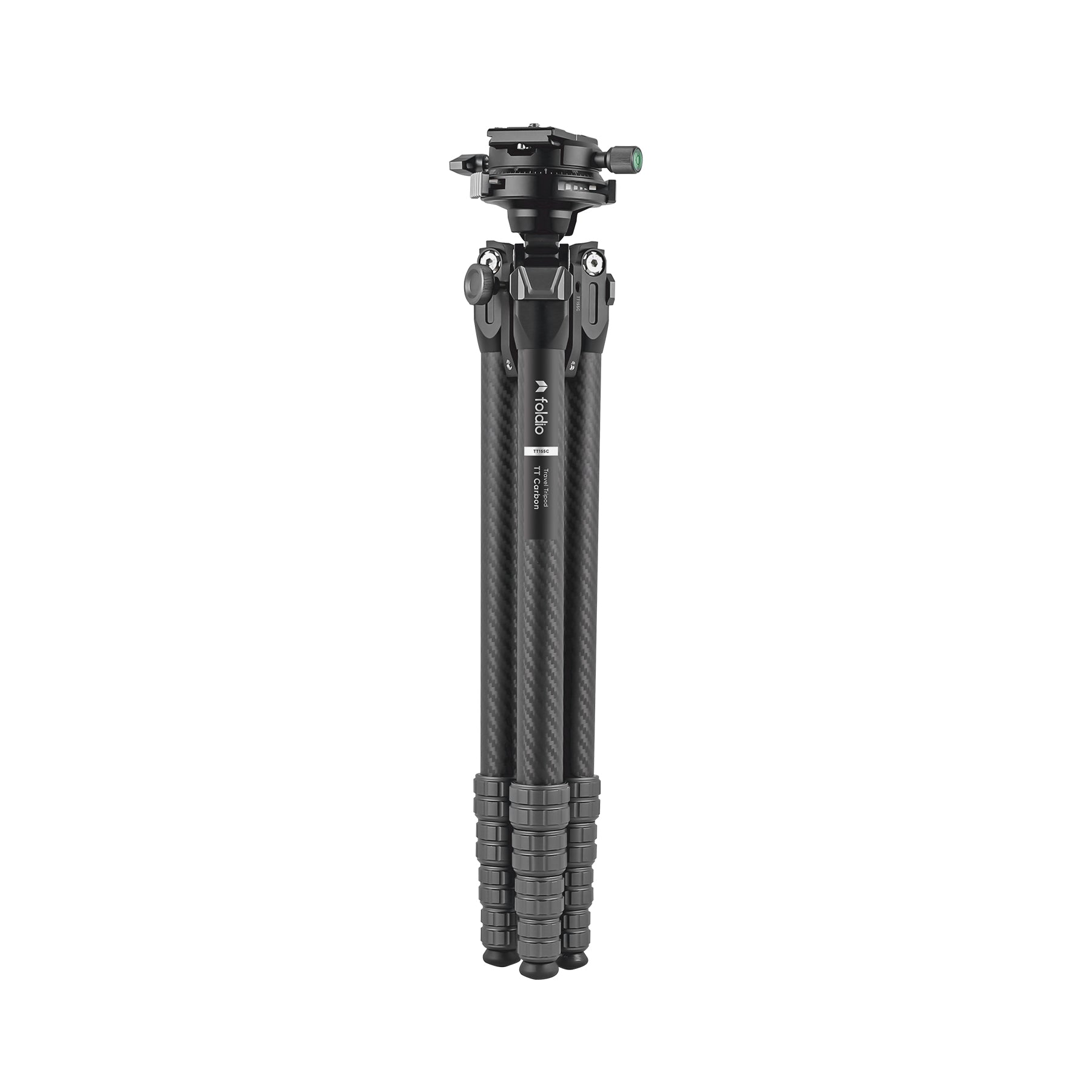
Top 5 Tips for Using a Tripod to Capture Stunning Photos
Using a tripod can dramatically improve the quality of your photography, allowing you to capture stunning images with precision and clarity. Here are the top 5 tips for using a tripod effectively:
- Choose the Right Tripod: Ensure that your tripod is suitable for the type of photography you'll be doing. Lightweight tripods are great for travel, while heavier ones provide stability for landscape and long-exposure shots.
- Adjust the Height: Always set your tripod to eye level or slightly above to achieve the best angles. This can help you avoid unwanted distortions and create a more engaging composition.
- Use a Remote Shutter Release: To minimize camera shake when taking a photo, consider using a remote shutter release or the timer function on your camera. This will help you achieve sharper images, especially in low-light conditions.
- Stability is Key: Make sure your tripod is on a flat, stable surface. If you're shooting on uneven ground, use adjustable legs to level the tripod and avoid any wobbling.
- Experiment with Different Angles: Don’t be afraid to play around with different perspectives. Lowering the tripod to the ground or raising it high can yield unique and stunning results in your photography.
Counter-Strike is a highly popular first-person shooter game that emphasizes teamwork and strategy. Players can choose to be part of the Terrorists or the Counter-Terrorists, with the objective of either completing a mission or eliminating the opposing team. For gamers looking to enhance their mobile streaming experience, consider exploring the Top 10 Phone Accessories for YouTube to ensure high-quality content creation on the go.
How to Choose the Right Tripod for Your Photography Style
Choosing the right tripod for your photography style is crucial for achieving stunning, steady shots. First, consider the type of photography you are most passionate about. For instance, landscape photographers might prefer a heavy-duty tripod that can withstand windy conditions, whereas travel photographers may opt for a lighter, more compact model that is easy to carry. Assessing your primary subjects will help you narrow down your options as you search for the ideal tripod.
Next, think about the features that suit your needs. Look for a tripod with adjustable height and leg angles to enhance flexibility and stability. Professional photographers should consider tripods with quick-release plates and bubble levels for precision. Additionally, evaluate the material—aluminum tripods are durable yet heavy, while carbon fiber models offer portability without sacrificing strength. By weighing these factors, you can select a tripod that perfectly complements your unique photography style.
Common Tripod Mistakes to Avoid for Steady Shots
Using a tripod is essential for capturing steady shots, but many photographers make common tripod mistakes that can compromise the quality of their images. One of the biggest errors is failing to extend the tripod legs properly. When you extend the legs unevenly, it can create an unstable base. Always ensure each leg is equally positioned, and consider using the tripod's center column sparingly, as it can introduce vibrations that affect sharpness.
Another frequent mistake is neglecting to check the tripod head settings before shooting. If the head is not securely locked, it can lead to unwanted movements during exposure. Additionally, using a tripod in windy conditions without securing it properly can result in blurry images. It's wise to add weight to your tripod by hanging a bag from the hook underneath, which adds stability and helps prevent these frustrating mishaps.