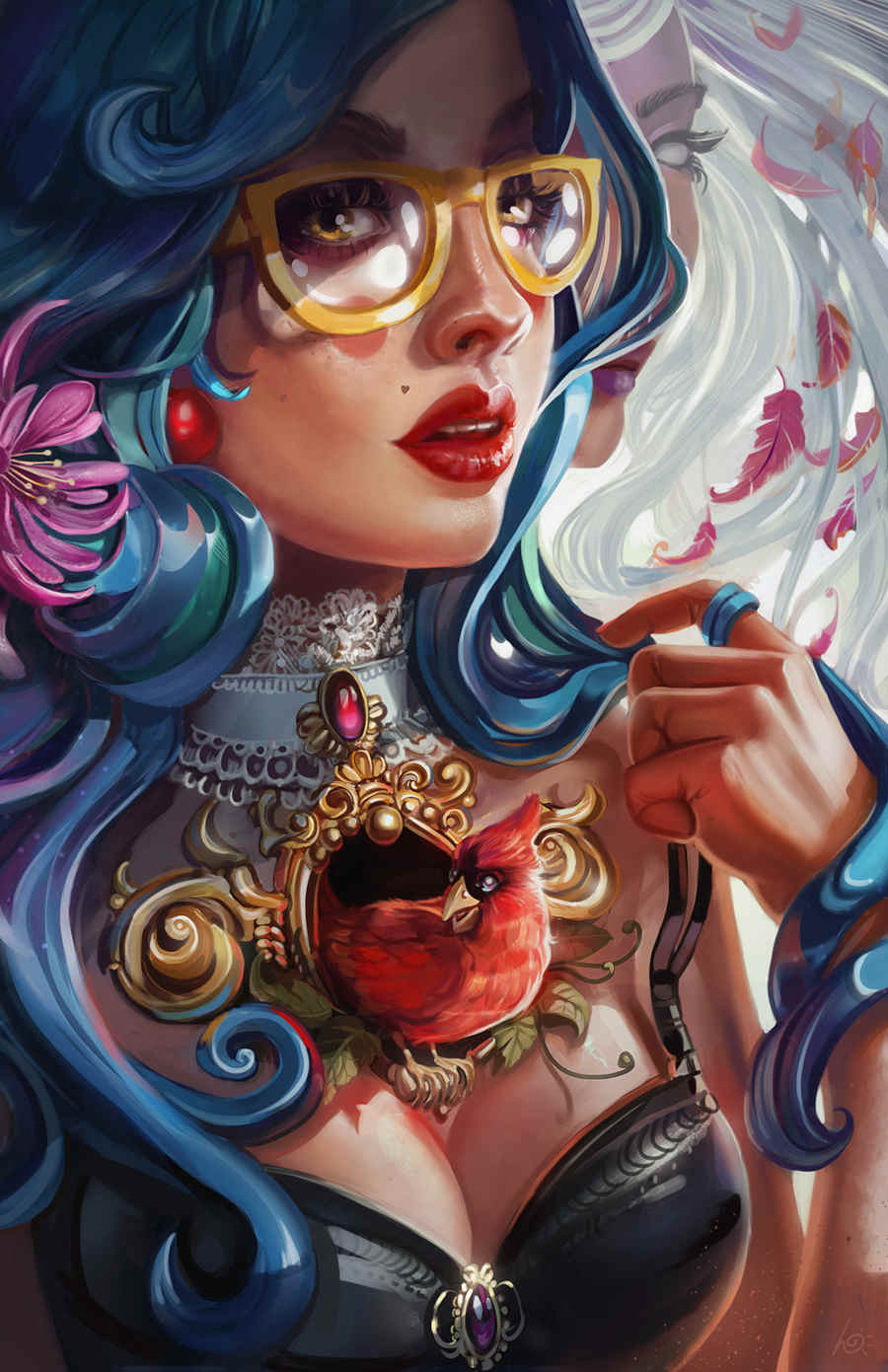
Exploring the Synergy: How Traditional Techniques Influence Digital Art
As we delve into the world of digital art, it becomes increasingly clear that traditional techniques play a vital role in shaping contemporary creative expressions. Artists who master traditional methods, such as painting or sketching, often find that their skills seamlessly translate into the digital realm. For instance, understanding color theory and composition enables digital artists to create visually compelling works that resonate with viewers. Moreover, techniques like layering and blending, honed through traditional practices, enhance the depth and richness of digital creations.
Furthermore, the synergy between traditional and digital art encourages a new appreciation for both mediums. Artists can utilize tools such as digital tablets to replicate brush strokes and texture effects that are characteristic of traditional techniques. This hybrid approach not only enriches the creative process but also leads to innovative forms of expression that break boundaries. As digital art continues to evolve, the influence of traditional practices remains a testament to the enduring nature of artistic skills and the ways they enhance the digital art landscape.
Counter-Strike is a highly popular first-person shooter game that emphasizes teamwork and strategy. Players can choose between two teams, Terrorists and Counter-Terrorists, to complete missions or eliminate the opposing team. If you're looking for ways to enhance your gaming experience, check out these Top 10 tech accessories for creators that can help improve your setup. With a competitive scene that attracts millions of players worldwide, Counter-Strike remains a staple in the eSports community.
The Future of Creativity: What Role Will AI Play in Digital Art?
The intersection of creativity and artificial intelligence (AI) is reshaping the landscape of digital art. As algorithms become more sophisticated, artists are discovering innovative ways to integrate AI into their creative processes. From generating unique artworks through neural networks to utilizing AI as a collaborative tool, technology is expanding the boundaries of what can be considered art. By harnessing AI's capabilities, artists are able to explore new styles, enhance their workflows, and even gain insights into their own creative decisions.
However, the rise of AI in the artistic realm also raises important questions about authorship and originality. As machines are programmed to create and replicate styles, the definition of originality is being challenged. Digital art created with the assistance of AI may provoke debates on copyright and ownership rights. It is crucial for artists, legal experts, and technologists to engage in discussions about the implications of AI on the creative sector. Ultimately, the future of creativity will likely involve a partnership between human artists and AI, leading to a rich tapestry of innovation and expression.
From Canvas to Code: A Deep Dive into the Evolution of Digital Art Tools
The journey from canvas to code marks a significant evolution in the world of art, showcasing how technology has reshaped the creative process. Traditional artists have long relied on physical materials—paints, brushes, and canvases—to express their vision. However, with the rise of digital art tools, artists now have the ability to manipulate their creations through software such as Adobe Photoshop, Procreate, and even 3D modeling applications. These tools not only streamline the workflow but also introduce innovative techniques that were previously impractical in traditional mediums.
As we delve deeper into this transformation, it's essential to acknowledge key milestones in the development of digital art tools. From canvas to code, software advancements have enabled artists to replicate the textures and nuances of physical art, while also providing features like layering, undo functionality, and a plethora of color options. We can trace this evolution back to the early days of computer graphics, where pixel art laid the foundation for more complex digital artistry. Today, the integration of artificial intelligence and virtual reality further enhances the possibilities for artists, creating an exciting landscape for both creators and consumers alike.