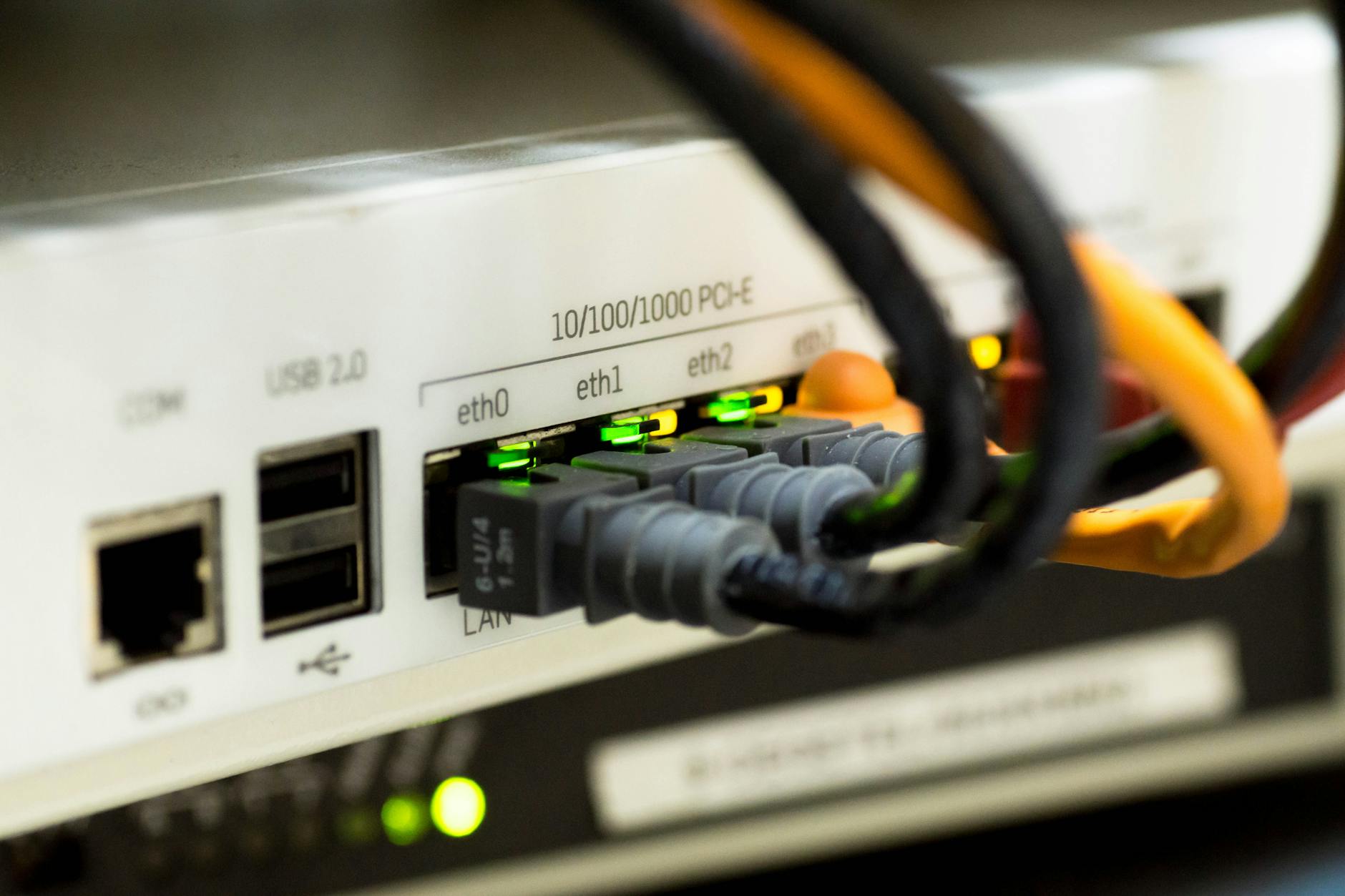
Understanding the Router Landscape: From OpenRouter to Beyond
The current router landscape is vast and rapidly evolving, offering a spectrum of options tailored for various needs, from simple home networks to complex enterprise solutions. At the forefront of innovation, platforms like OpenRouter have emerged as pivotal players, particularly within the AI and large language model (LLM) ecosystem. OpenRouter, for instance, provides a unified API that allows developers to access and switch between numerous LLMs seamlessly, effectively acting as a router for AI models. This abstraction layer simplifies the process of integrating powerful AI capabilities into applications, enabling developers to experiment with different models without significant code changes. Beyond this, the broader router market continues to innovate with features like Wi-Fi 7 readiness, enhanced security protocols, and advanced mesh networking capabilities, ensuring that data transmission is not only fast but also secure and reliable across all connected devices.
Delving deeper, the concept of a 'router' extends far beyond the physical device connecting your home to the internet. In the context of AI and cloud computing, a router can be a logical entity, directing requests to the most appropriate service or model. This is where the true power of platforms like OpenRouter shines, offering more than just connectivity; they provide intelligent routing for computational tasks. Consider this scenario:
A developer needs to choose between several LLMs for a specific task. Instead of individually integrating each model, OpenRouter allows them to define rules or use AI to dynamically select the best-performing or most cost-effective model for each request.
This dynamic routing paradigm is transformative, optimizing resource utilization and ensuring optimal performance. As technology progresses, we can expect to see even more sophisticated routing solutions, integrating machine learning to predict network congestion, prioritize critical traffic, and adapt to changing demands in real-time, effectively creating an intelligent, self-optimizing network infrastructure that extends from physical hardware to virtualized services.
While OpenRouter offers a convenient unified API for various language models, several excellent OpenRouter alternatives cater to diverse needs, from those seeking more control and customization to users prioritizing cost-effectiveness or specific model access. These alternatives often provide different pricing structures, self-hosting options, or direct integrations with cloud providers, giving developers more flexibility in managing their AI infrastructure.
Choosing Your Next-Gen Router: Practical Tips, Use Cases, and Common Questions
Navigating the vast ocean of next-gen routers can feel overwhelming, but a systematic approach will ensure you make the right choice. Firstly, consider your current internet plan and potential upgrades. Are you on fiber optic with multi-gigabit speeds, or a more modest cable connection? This directly impacts whether you truly need a Wi-Fi 6E or even a Wi-Fi 7 router, or if a robust Wi-Fi 6 model will suffice. Think about the number and type of devices in your home. Do you have multiple gamers, 4K streamers, and smart home gadgets all vying for bandwidth? A router with strong processing power and multiple spatial streams (MIMO) will be crucial. Don't forget about your home's physical layout – large homes with many walls might benefit from a mesh Wi-Fi system to eliminate dead zones and ensure consistent coverage.
Beyond raw speed and coverage, practical use cases play a significant role in your decision. For instance, if you frequently host online gaming sessions or conduct video conferences, look for routers with Quality of Service (QoS) features that allow you to prioritize specific traffic. Families with children might appreciate routers offering robust parental controls and easy-to-manage schedules for internet access. Furthermore, consider the router's security features: does it offer WPA3 encryption, a built-in firewall, and automatic firmware updates? These are vital for protecting your network from evolving threats. Finally, don't overlook the user experience. An intuitive mobile app for setup and management can save you significant headaches, making your next-gen router not just powerful, but also user-friendly.