From Idea to API: Understanding the Basics of AI-Powered Content Automation (Includes common questions like 'What even is an API?' and 'How is this different from ChatGPT?')
Alright, so you've got this great idea for a content piece, maybe a blog post or even a whole series. Traditionally, that meant a lot of manual work: research, outlining, drafting, editing, and finally, publishing. But what if a significant portion of that could be automated, not just by a general AI but by a system specifically designed to understand your brand's voice and SEO goals? That's where AI-powered content automation steps in. It's about leveraging sophisticated algorithms to generate, optimize, and even schedule content, freeing you up for higher-level strategic thinking. Think of it as having a super-efficient, SEO-savvy assistant who never sleeps, constantly ideating and drafting content that aligns perfectly with your target keywords and audience intent. This isn't just about speed; it's about scalability and consistency in your content production.
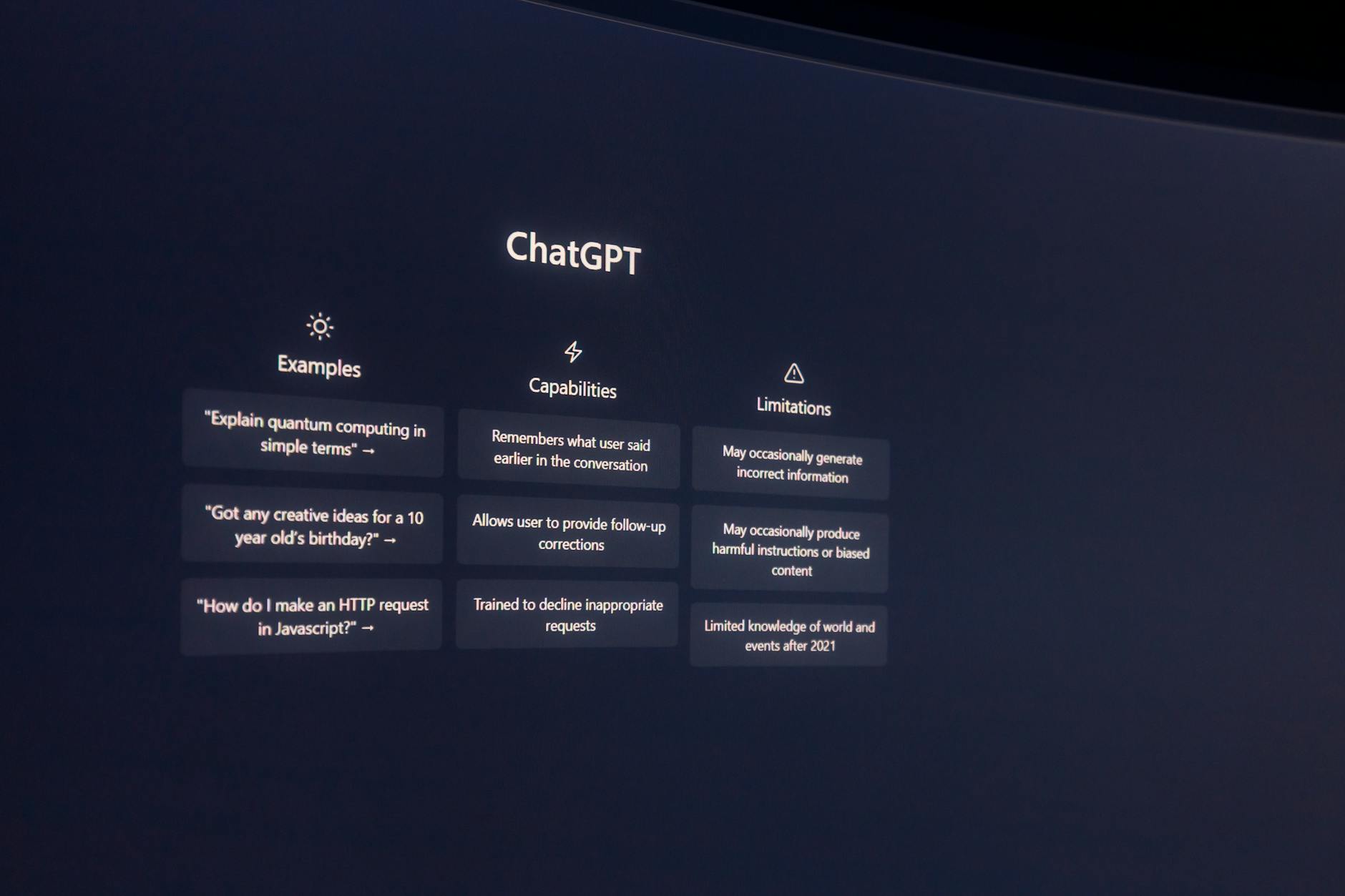
Now, let's tackle those burning questions. "What even is an API?" API stands for Application Programming Interface. In simple terms, it's a set of rules and protocols that allows different software applications to communicate with each other. For content automation, an API lets your website or CMS 'talk' to an AI content generation engine, requesting specific content based on your prompts and receiving the generated text in return. It's the invisible bridge making the magic happen. And "How is this different from ChatGPT?" While ChatGPT is a powerful conversational AI for general use, AI-powered content automation platforms are often built upon similar large language models but are specialized. They integrate additional features like keyword research tools, SEO analysis, tone customization, and direct publishing capabilities, designed specifically for content marketers and SEO professionals. Think of ChatGPT as a versatile Swiss Army knife, while an AI content automation tool is a custom-built, high-performance power tool for your content factory.
A keyword research API allows developers to programmatically access vast databases of keyword data, enabling the integration of powerful SEO tools directly into their applications. This facilitates automated keyword discovery, competitive analysis, and trend monitoring, providing a scalable solution for understanding search intent. For more information on how to leverage a keyword research API, consider exploring specialized platforms that offer comprehensive data sets and flexible integration options.
Building Your First AI-Driven Content Workflow: Practical Tips and Troubleshooting (Covers specific APIs, example prompts, and addressing issues like 'My AI is giving me gibberish!' or 'How do I integrate this with my existing tools?')
Embarking on your AI-driven content journey requires a practical approach, starting with selecting the right APIs. For SEO-focused content, consider OpenAI's GPT-3.5 Turbo or GPT-4 for general text generation and summarization, or Google's PaLM 2 for nuanced understanding and diverse output. When crafting prompts, specificity is key. Instead of 'write about SEO,' try: 'Generate a 500-word blog post on the latest Google algorithm updates, focusing on E-E-A-T principles, including 3 actionable tips for small businesses. Use a conversational yet authoritative tone.' If your AI delivers 'gibberish,' it often stems from ambiguous prompts or lack of context. Experiment with adding negative constraints like 'avoid jargon' or 'do not include price comparisons.' Understanding the API's limitations and strengths will significantly reduce frustration.
Integrating AI into your existing toolkit doesn't have to be a monumental task. Many platforms offer direct API integrations, or you can leverage automation tools like Zapier or Make (formerly Integromat) to bridge the gap. For instance, you could set up a Zap that triggers an AI content generation request whenever a new topic is added to a Google Sheet, then automatically sends the output to a draft in your WordPress editor. If you're encountering issues like 'My AI is giving me gibberish!' even with specific prompts, consider the temperature parameter; a higher temperature (e.g., 0.8-1.0) leads to more creative, but potentially less coherent, output, while a lower temperature (e.g., 0.2-0.5) offers more predictable, focused text. Furthermore, remember to fine-tune your prompts based on the AI's responses, continuously iterating for optimal results.