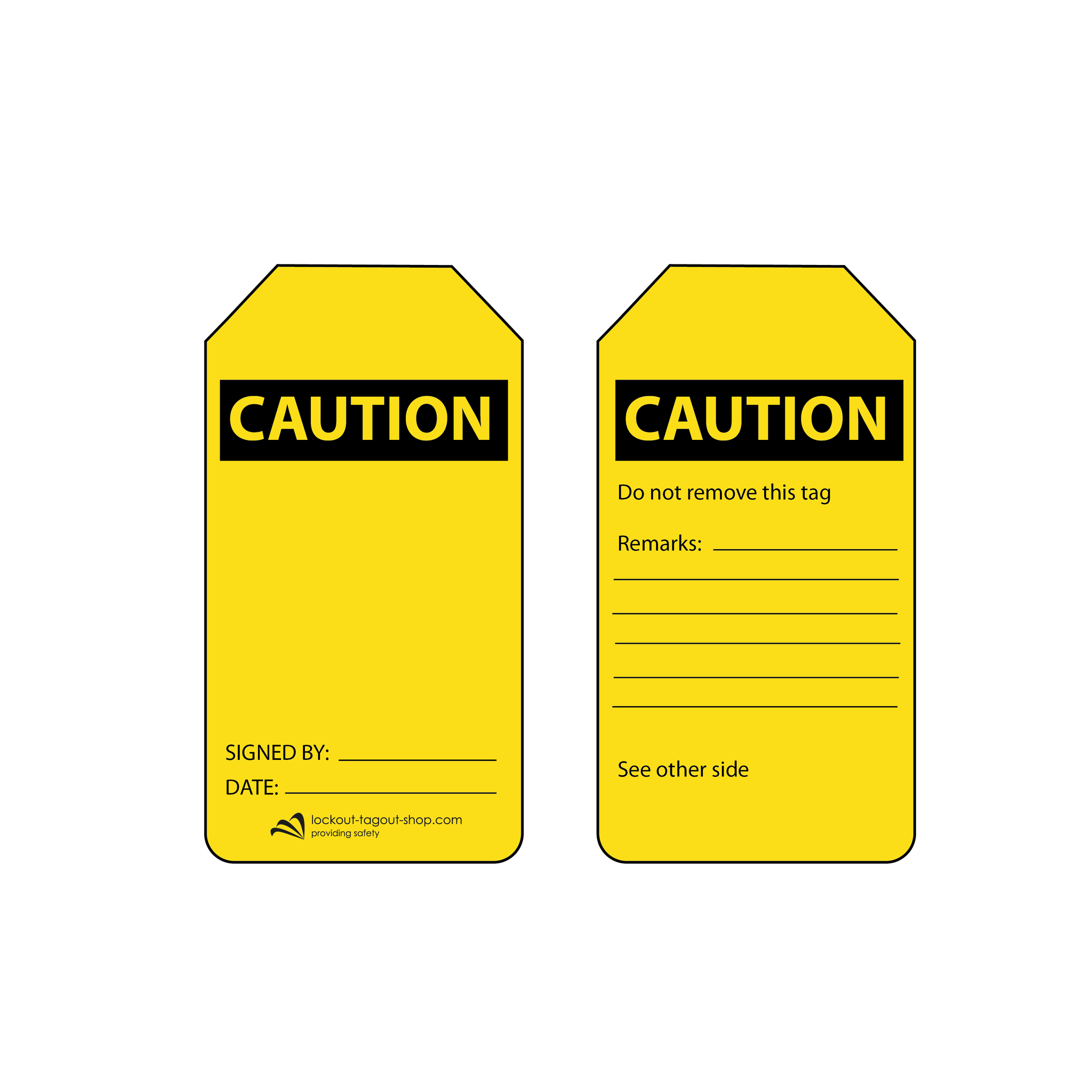
Understanding the Importance of Safety Tags in Preventing Workplace Accidents
Understanding the importance of safety tags in preventing workplace accidents cannot be overstated. Safety tags serve as a vital communication tool that helps to inform employees about hazards, equipment status, and necessary safety precautions. When properly implemented, these tags act as visual reminders that enhance workplace safety by ensuring that workers are aware of potential risks before engaging in their tasks. This proactive measure not only reduces the likelihood of accidents but also fosters a safety-first culture within the organization, empowering employees to prioritize their well-being and that of their colleagues.
Moreover, safety tags can be categorized into different types, each serving a unique purpose in accident prevention. For instance,
- Danger Tags are used to highlight immediate hazards that could lead to serious injury or death.
- Warning Tags indicate a potential hazard that requires caution.
- Notice Tags communicate important information that should not be ignored.
Counter-Strike is a popular tactical first-person shooter franchise that has captivated gamers since its initial release. Players compete in teams to complete objectives, such as planting or defusing bombs, rescuing hostages, or eliminating the opposing team. For those seeking to enhance their gaming experience, check out the Top 10 Apple Watch Accessories for Runners, which can help keep you on track during your gaming sessions.
10 Essential Safety Tag Types Every Workplace Should Implement
In any workplace, ensuring safety is paramount, and one effective way to achieve this is through the implementation of safety tags. These tags serve as visual cues that communicate hazards, procedures, or instructions to employees and visitors alike. Here are 10 essential safety tag types that every workplace should consider:
- Hazard Warning Tags
- Danger Tags
- Caution Tags
- Information Tags
- Personal Protective Equipment (PPE) Tags
- Lockout/Tagout (LOTO) Tags
- Emergency Information Tags
- First Aid Tags
- Machine Safety Tags
- Inspection Tags
Implementing these safety tag types not only enhances workplace safety but also fosters a culture of awareness among employees. For example, danger tags can immediately alert workers to high-risk areas, while PPE tags remind staff of the necessary protective equipment required for specific tasks. By utilizing these safety tags effectively, businesses can significantly reduce the likelihood of accidents and injuries, making them a crucial element in any comprehensive safety program.
How to Effectively Use Safety Tags to Enhance Employee Awareness
Implementing Safety Tags in the workplace can significantly boost employee awareness regarding potential hazards. These tags serve as visual cues that remind workers of safety protocols and highlight areas that require extra caution. To effectively use Safety Tags, consider incorporating a color-coding system that aligns with the severity of hazards. For example, red tags can indicate immediate danger, while yellow tags may signify caution. Additionally, regularly training employees on the meanings and importance of these tags can further enhance their ability to identify and respond to risks.
Moreover, it’s essential to involve employees in the development and implementation of Safety Tags. By seeking their feedback and insights, you can tailor the tags to better reflect the specific hazards they encounter daily. Establishing a clear communication channel for employees to report issues related to Safety Tags is also vital. This process not only empowers workers but also creates a culture of safety where everyone feels responsible for promoting awareness. In summary, the strategic use of Safety Tags plays an integral role in enhancing employee safety and awareness within the workplace.