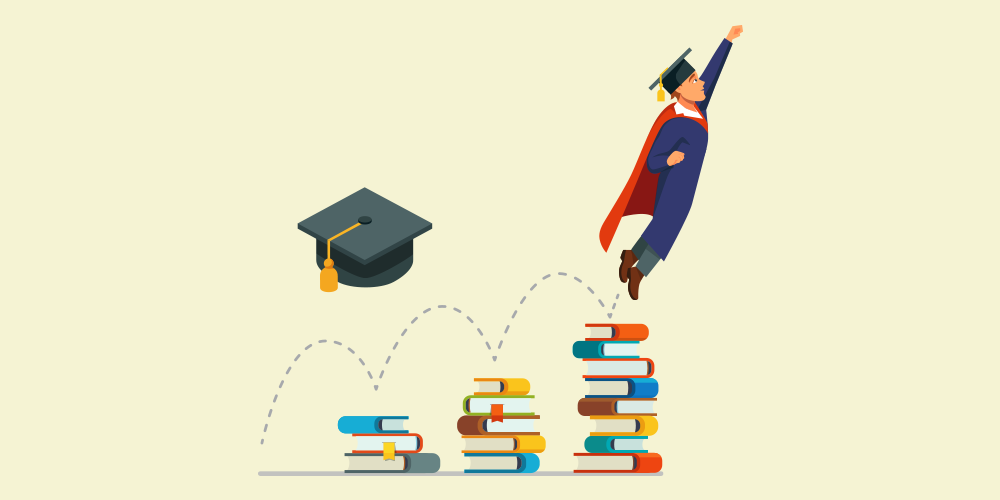
The Evolution of Teaching: Adapting Methods for 21st Century Learners
The landscape of education has seen a profound transformation over the past few decades, driven largely by technological advancements and the shifting needs of students. 21st-century learners require more than traditional rote memorization; they thrive in environments that emphasize critical thinking, collaboration, and creativity. Educators are now compelled to adapt their teaching strategies to incorporate interactive and engaging methods, such as project-based learning, flipped classrooms, and the use of digital tools. These modern approaches not only enhance student engagement but also prepare learners for the complexities of today's interconnected world.
Moreover, the rise of online education platforms has democratized access to learning resources, making it possible for anyone, anywhere to pursue knowledge. As a result, instructors are increasingly adopting hybrid teaching models that combine in-person and online experiences. This evolution necessitates that teachers become lifelong learners themselves, continuously updating their skills to effectively engage 21st-century learners. By embracing innovative teaching methods and leveraging technology, educators can create a more inclusive, responsive, and effective educational experience for all students.
Counter-Strike is a highly popular multiplayer first-person shooter game that emphasizes teamwork and strategy. Players can choose to join either the terrorist or counter-terrorist factions, engaging in various objectives like bomb defusal or hostage rescue. For those interested in gaming and technology, check out our Top 10 Tech Gifts for Students to enhance your gaming setup.
Embracing Technology in the Classroom: Tools That Enhance Learning Experience
In today's digital age, embracing technology in the classroom is essential for enhancing the learning experience. Educators can utilize various tools to create a more interactive and engaging environment for their students. Some of the most effective technologies include:
- Smart Boards: These interactive whiteboards allow teachers to present multimedia content and engage students in real-time.
- Learning Management Systems (LMS): Platforms like Canvas and Moodle enable instructors to deliver course materials, track student progress, and facilitate communication.
- Tablets and Laptops: Portable devices give students access to a wealth of information and educational apps that can reinforce learning.
Furthermore, utilizing technology also supports diverse learning styles and accommodates various needs. For instance, students who may struggle with traditional methods can benefit from online resources and adaptive learning technologies that personalize their educational experience. As noted by education experts, technology can transform the classroom into a hub of creativity and collaboration, fostering critical skills for today’s workforce. By integrating tools like virtual reality, robotics, and gamified learning, educators can inspire students and make learning more impactful.
Why Personalized Learning is Key to Student Success in Today's Education Landscape
Personalized learning has emerged as a pivotal strategy in today's education landscape, addressing the diverse needs of students by tailoring instruction to their individual learning styles and preferences. This approach recognizes that no two learners are alike, and traditional one-size-fits-all methods often fail to engage students fully. By leveraging technology and data analytics, educators can create customized learning pathways that allow students to progress at their own pace, overcome challenges, and build on their strengths. As a result, students feel more empowered and motivated, leading to increased participation and improved outcomes.
Moreover, the benefits of personalized learning extend beyond academic performance. This method fosters essential life skills such as critical thinking, collaboration, and self-directed learning. In a world that increasingly values adaptability and innovation, equipping students with these competencies is crucial. According to recent studies, schools that implement personalized learning strategies report higher levels of student engagement and satisfaction. Therefore, as educators strive to prepare students for a rapidly changing future, embracing personalized learning is not just beneficial; it is essential for ensuring student success in the 21st century.