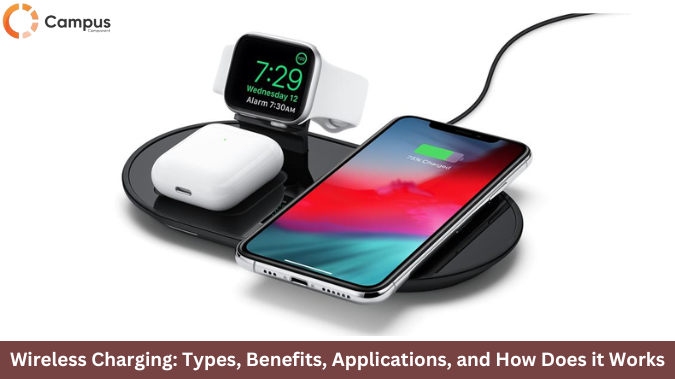
Exploring the Technology Behind Wireless Power: How It Works
Wireless power technology has emerged as a revolutionary method of energy transfer that eliminates the need for traditional cords and cables. At its core, wireless power works on the principle of electromagnetic fields. The most common method, known as inductive coupling, involves two coils: a transmitter coil, which generates an alternating electromagnetic field, and a receiver coil, which captures this energy and converts it back into usable electrical power. This technology is not only used in consumer electronics like smartphones and electric toothbrushes but is also paving the way for future applications in electric vehicles and home appliances.
Another fascinating approach is resonant inductive coupling, which allows for greater distances between the transmitter and receiver, making it more versatile for various applications. The efficiency of these systems can reach up to 90% under optimal conditions. Moreover, researchers are exploring the potential of microwave power transmission for higher energy demands, such as powering satellites or charging drones in flight. As technology continues to evolve, the implications of wireless power are vast, promising not only convenience for users but also advancing the quest for sustainable energy solutions.
Counter-Strike is a popular tactical first-person shooter game that has captivated millions of players worldwide. In this game, teams of terrorists and counter-terrorists face off in various game modes, with the goal of eliminating the opposing team or completing specific objectives. As players engage in intense battles and strategic gameplay, they often seek ways to enhance their gaming experience, much like how gamers might look for the Top 10 Nightstand Chargers for Apple Watch to keep their devices powered during long gaming sessions.
The Environmental Impact of Wireless Charging: A Sustainable Future?
The rise of wireless charging technology has sparked a conversation about its potential environmental impact. As more consumers transition to wireless charging solutions for their devices, it is essential to consider the sustainability of this technology. Traditional wired charging methods often result in energy losses due to heat, whereas wireless charging can improve efficiency through optimized energy transfer systems. However, manufacturers must also prioritize sustainable materials in their designs to minimize the overall carbon footprint of these devices. By employing renewable energy sources and developing eco-friendly charging pads, the wireless charging industry can contribute to a more sustainable future.
Despite the promising aspects of wireless charging, there are important considerations regarding its environmental effects that cannot be overlooked. For instance, the production of wireless charging units can lead to increased electronic waste if consumers frequently upgrade their devices. Furthermore, energy consumption during the production and distribution phases may negate some of the benefits gained from efficiencies in energy transfer. To truly assess the sustainability of wireless charging, we must conduct comprehensive lifecycle analyses that account for the entire ecosystem of wireless charging technology, from production to disposal, ensuring we foster innovations that protect our planet.
Is Wireless Power the Future of Energy? Key Questions Answered
Wireless power has garnered significant attention in recent years as a potential game-changer in the energy sector. This innovative technology enables electricity transmission without the need for physical connectors or wires, thus paving the way for more versatile and efficient energy solutions. Key advancements in resonance coupling and microwave transmission have spurred interest in applications ranging from charging electric vehicles to powering consumer electronics. However, as we explore the future of energy, several essential questions arise: How safe is wireless energy transmission? What are the efficiency levels compared to traditional methods? And what are the current limitations of this technology?
As we delve into these inquiries, it becomes clear that while wireless power exhibits extraordinary potential, challenges remain. Public perception and regulatory issues must be addressed to foster widespread adoption. Additionally, it's crucial to evaluate the environmental impact of implementing large-scale wireless power systems. For those considering this technology's future, it is vital to stay informed about ongoing developments and breakthroughs. In summary, wireless power could very well shape the future of energy, but its journey requires thoughtful deliberation on safety, efficiency, and sustainability.