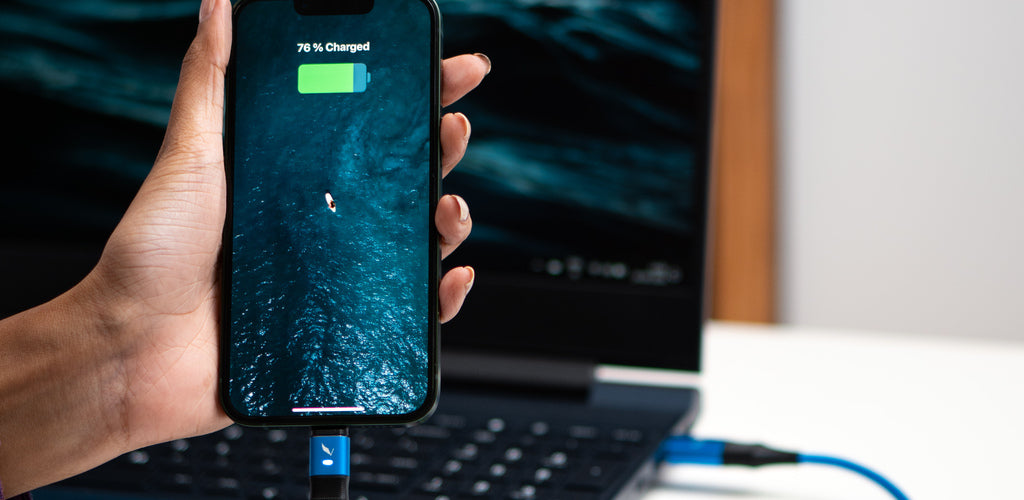
Understanding the Basics of Fast Charging: How It Works
Fast charging has transformed the way we power our devices, allowing users to recharge their smartphones, tablets, and laptops significantly quicker than traditional methods. But how exactly does it work? At its core, fast charging utilizes higher voltage and current levels to increase the amount of power delivered to the device's battery. For instance, while a standard charger typically outputs at 5V/1A (5 watts), a fast charger might operate at 9V/2A (18 watts) or even higher. This increased power flow helps reduce the charging time, enabling devices to reach full charge in less than an hour.
The technology behind fast charging involves various protocols and standards that facilitate efficient energy transfer. Some of the most popular standards include Qualcomm's Quick Charge, USB Power Delivery, and Oppo's VOOC technology. These systems dynamically adjust voltage and current based on the device's needs, ensuring optimal performance while safeguarding against overheating and battery damage. Overall, understanding these basics not only helps consumers make informed decisions about their charging solutions but also highlights the advancements in battery technology that make swift recharging a reality.
Counter-Strike is a multiplayer first-person shooter game that has become a staple in competitive gaming. It involves two teams, terrorists and counter-terrorists, engaging in objective-based gameplay. For players interested in enhancing their gaming experience, check out the Top 10 magsafe chargers to keep their devices powered during intense gaming sessions.
The Evolution of Fast Charging Technologies: From 0 to 100 in No Time
The journey of fast charging technologies has been nothing short of revolutionary, transforming the landscape of mobile devices and electric vehicles. Initially, charging a device was a lengthy process, often taking several hours. As the demand for quicker power replenishment grew, manufacturers began to innovate. From the humble beginnings of basic chargers, we saw the introduction of quick charge technologies that could deliver up to 18 watts of power, significantly reducing charging times and making it feasible to get from 0 to 100% in under an hour. Today, advanced solutions like SuperCharge and UltraCharge can push these limits even further, offering speeds upwards of 100 watts, enabling devices to be charged in mere minutes.
Moreover, the evolution of fast charging technologies isn't just about speed; it also emphasizes safety and efficiency. Early models faced challenges with overheating and battery degradation, prompting innovations in thermal management and battery chemistry. Now, adaptive charging systems not only adjust the power output based on the device's requirements but also utilize smart technology to monitor voltage and temperature, ensuring a secure charging experience. As we look ahead, the future of fast charging holds exciting prospects, including wireless technologies and even potential breakthroughs in ultracapacitors that could allow for instantaneous charging, pushing the boundaries of what's possible.
What You Need to Know About Fast Charging Compatibility and Safety
When it comes to fast charging compatibility, it's essential to understand that not all devices support this technology. Many modern smartphones, laptops, and tablets come equipped with features that allow them to utilize fast charging, but users must ensure that both their charger and the cable being used are designed to handle the higher voltage and current. If you're unsure about your device's fast charging capabilities, check the manufacturer's specifications or consult the user manual to avoid potential damage. Additionally, devices may have different fast charging standards, such as Qualcomm Quick Charge or USB Power Delivery, which further emphasizes the importance of using compatible accessories.
Equally important is the aspect of safety when using fast charging technologies. Fast charging can generate heat, which, if not properly managed, may lead to overheating and affect battery lifespan or performance. To maintain safety, always use certified chargers and cables from reputable brands that meet regulatory standards. Furthermore, it's advisable to avoid charging your device in hot environments or while it's in cases that could restrict heat dissipation. Remember to monitor your device during charging—it's best to unplug it once it reaches a full charge to maximize battery health and longevity.